

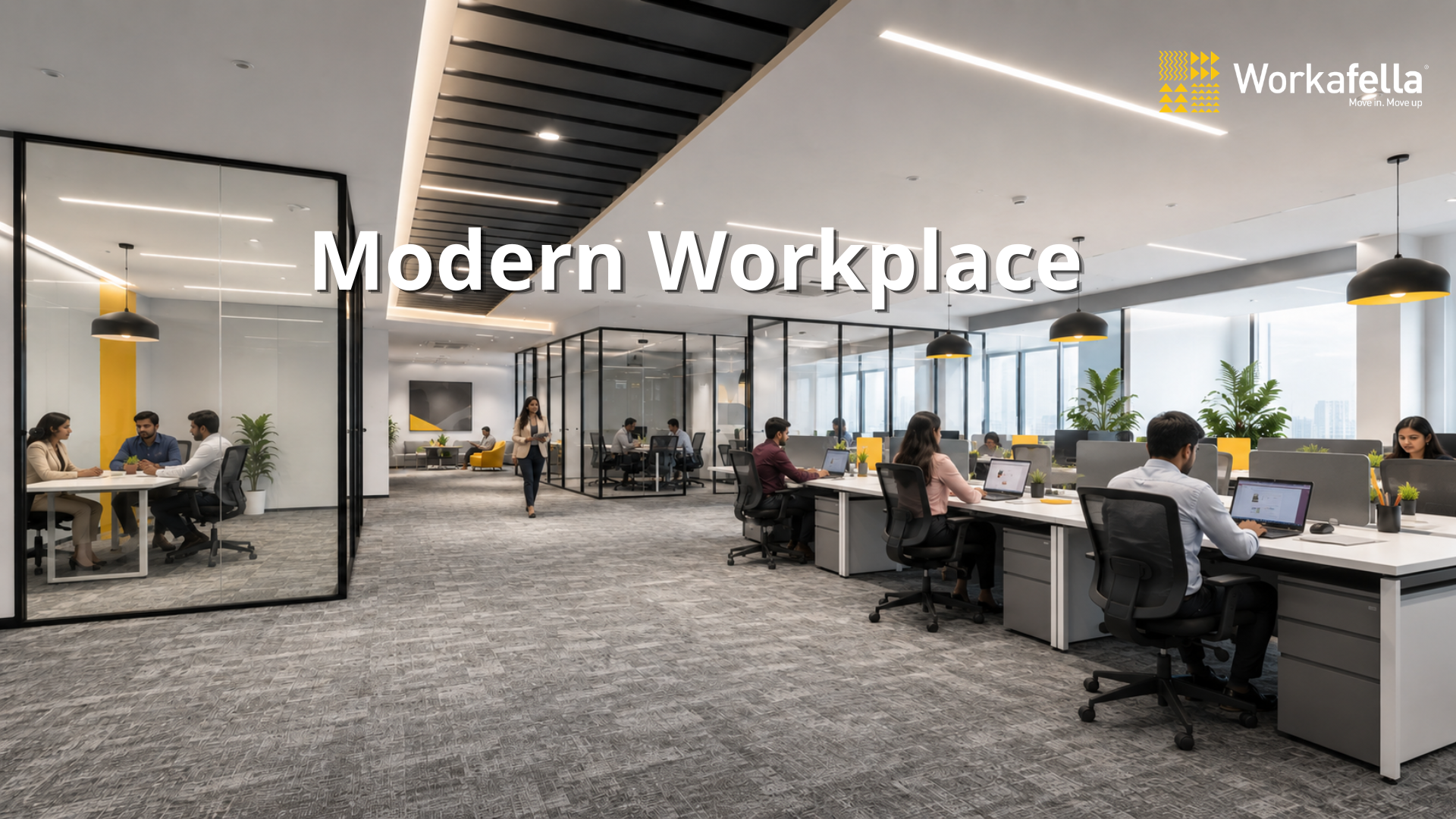
Choosing the right office is an important business decision. The workplace you select can influence employee productivity, team collaboration, client perception, recruitment and future expansion. An office should not simply provide desks and chairs; it should support the way your business operates and create a professional environment where employees can perform at their best. With traditional offices, coworking spaces, private cabins, managed offices and customised enterprise workspaces available today, businesses have many options. However, selecting a workspace without properly evaluating its features can lead to operational challenges later.
Before finalizing your next workplace, use this ten-point checklist to determine whether the office can support your employees, business requirements and long-term plans.
1. Choose the Right Location
The location of your office can shape the everyday experience of employees, clients and business partners. A conveniently located workplace makes commuting easier and helps visitors reach your office without unnecessary difficulty. Look for an office that is connected to major roads, metro stations, bus routes and important commercial areas. The surrounding neighbourhood should also provide access to restaurants, banks, hotels, hospitals and other essential services.
A recognised business address can strengthen your organization's professional image. It can also help attract talented employees who prefer working in accessible and established commercial locations. Before choosing an office, evaluate the location during different times of the day to understand traffic, accessibility and the overall business environment.
2. Check the Available Space and Layout
The size of the office should match the way your team works. An office that is too crowded can affect employee comfort, while a poorly planned layout may reduce collaboration and productivity. Review the number of workstations, private cabins, meeting rooms, collaboration zones and breakout areas available. Consider whether different departments can be organised effectively within the workspace. Your office layout should support both focused work and team interaction. Employees should have quiet areas for concentration and shared spaces for meetings, discussions and brainstorming. Also consider whether senior leaders, visiting clients and project teams will have appropriate spaces. A practical layout can make everyday business operations more organised and efficient.
3. Evaluate Future Scalability
Your current team size should not be the only factor considered when selecting an office. Businesses evolve, departments grow and new projects may require additional employees. Choose a workspace that can adapt to these changes. Check whether you an add more workstations, create additional cabins, expand into another office suite or modify the seating arrangement. A scalable workplace allows your organisation to respond to changing requirements without frequently relocating. It also provides the flexibility required to accommodate new departments, temporary project teams or business expansion. Thinking about future requirements during the selection process can help you choose an office that remains suitable for a longer period.
4. Review Internet and Technology Infrastructure
Reliable technology is essential for almost every modern organisation. Employees depend on internet connectivity for communication, cloud platforms, customer management, presentations, online meetings and daily operations. Check the speed, reliability and security of the internet connection. Ask whether technical assistance is available when required and whether the network can support the number of employees expected to use it. The office should also provide sufficient electrical points, charging facilities and suitable infrastructure for computers, display screens and meeting-room equipment. Companies with specialized technology requirements should confirm whether the workspace can support secure networks, server connections, access systems and other operational needs.
5. Confirm Power Backup and Operational Reliability
Unexpected interruptions can affect productivity, client communication and project delivery. Before choosing an office, check whether it has reliable power backup and systems that support uninterrupted business operations. Understand how the building responds to electricity failures, internet problems and other technical issues. Ask whether there is an onsite team responsible for handling operational concerns. Businesses working with international clients or critical projects should also evaluate whether the office can support extended working hours. Operational reliability becomes especially important for customer-support teams, technology departments and employees working across different time zones. A dependable workplace helps employees remain productive and allows the business to operate with greater confidence.
6. Examine Security and Access Control
Employees, visitors, equipment and confidential information must be protected within the workplace. Check whether the office provides CCTV monitoring, professional security personnel, visitor management and controlled entry systems. Employees should be able to enter the workspace securely through access cards or other authorized methods. Private cabins, meeting rooms and dedicated team areas should provide the level of privacy required by your business. Companies managing confidential projects or sensitive information may also require restricted access zones. Ask how visitors are registered and whether the reception team coordinates guest access. Strong security systems can create a safer and more professional environment for everyone using the office.
7. Inspect Meeting and Collaboration Spaces
Meetings are an essential part of business operations. Teams require professional spaces for client discussions, presentations, interviews, reviews, training programs and internal collaboration. Check whether the office provides meeting rooms of different sizes. The rooms should offer comfortable seating, adequate lighting, good acoustics and the technology required for presentations or video conferences. Collaboration areas are equally important. Informal discussion zones, breakout spaces and shared lounges can help employees exchange ideas and work together more naturally. The availability of appropriate meeting environments helps businesses conduct professional conversations without disturbing employees working in the main office area.
8. Consider Employee Comfort and Amenities
Employees spend a significant part of their day at work, making comfort an important factor when selecting an office. Review workstation size, chair quality, lighting, air circulation, air conditioning and the overall cleanliness of the workspace. The office should feel comfortable, organised and professionally maintained.
Useful amenities may include pantry facilities, cafeterias, lounges, parking, wellness spaces and common areas where employees can take breaks. Access to tea, coffee and drinking water can also improve the everyday workplace experience. A supportive office environment can strengthen employee satisfaction, encourage engagement and help teams remain productive throughout the day.
9. Understand Facility Management Support
Managing an office involves many ongoing responsibilities, including housekeeping, maintenance, internet support, access control, security and coordination with service providers. Before selecting a workspace, understand which team is responsible for handling these activities. A professionally managed office should provide prompt assistance when employees experience a technical or facility-related issue. Ask how maintenance requests are raised and how quickly the support team usually responds. Also inspect the condition of common areas, meeting rooms, washrooms and pantry spaces. Reliable facility management helps maintain consistent workplace standards and allows employees to focus on their responsibilities without being distracted by everyday office issues.
10. Assess the Professional Environment
The appearance and atmosphere of an office can influence employees, clients, candidates and business partners. Inspect the reception area, interiors, common spaces, workstations and meeting rooms. The overall environment should reflect professionalism and align with the image your organisation wants to communicate.
A well-designed workplace can create a positive first impression during client visits and employee interviews. It can also help employees feel more connected to the organisation. Consider whether the workspace supports your brand identity and company culture. Businesses may also require options for customised layouts, signage, colors and dedicated office areas. The right office should feel like a workplace where your organisation can confidently operate, meet clients and build its future.
Why Workafella Is the Right Choice for Your Business
Workafella provides professionally designed and fully managed workspace solutions for startups, growing businesses, mid-sized enterprises and large companies. Businesses can choose coworking desks, private cabins, managed offices, meeting rooms, customised enterprise workspaces and flexible day pass packages. These options allow teams to select a workspace suited to their size, operating model and future requirements.
Workafella centres offer fully furnished workstations, high-speed internet, reliable power backup, meeting and conference rooms, professional reception support, housekeeping, security and 30+ premium amenities. With business centres across Chennai, Hyderabad, Bangalore and Mumbai, Workafella helps companies establish a professional presence in major commercial destinations. Dedicated facility management teams handle everyday workplace operations, enabling businesses to focus on employees, customers and growth. Workspaces can also be customised and expanded as team requirements change. Whether you need a private office, a collaborative coworking environment, a large enterprise setup, a meeting room or a flexible day pass, Workafella provides a business-ready solution designed to support productivity and long-term success.