

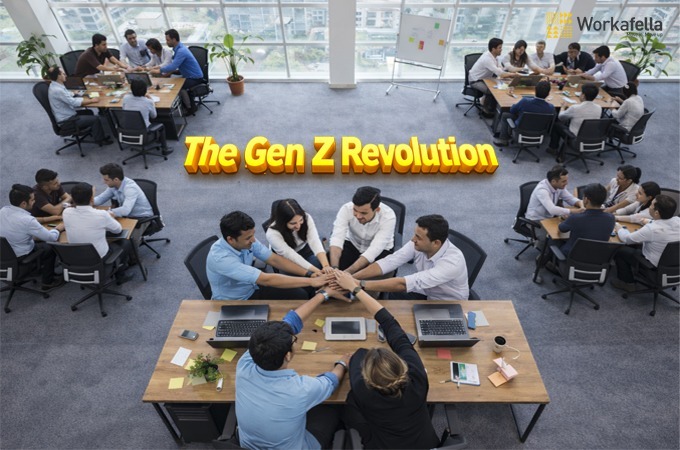
The corporate landscape is undergoing a seismic shift. Gen Z is no longer “the future workforce”—they are the present. Born between the mid-1990s and early 2010s, this generation is already occupying significant roles and, more importantly, they are rewriting the playbook on how companies hire, collaborate, and build culture. Unlike previous generations who viewed the office as a place of mandatory attendance and rigid hierarchy, Gen Z views the workplace as an ecosystem that must align with their values, tech-savviness, and need for autonomy.
For organizations aiming to attract and retain Gen Z talent, the workplace experience has become the ultimate differentiator. In a world where the lines between professional and personal lives are increasingly blurred, the physical environment serves as a strategic tool for talent acquisition. From the demand for a coworking space that fosters community to the necessity of a managed office space that offers scalability, businesses are realizing that the traditional cubicle farm is a relic of the past. To lead in the modern era, companies must pivot toward environments that prioritize the human experience.
The Evolution of Flexibility as a Core Mandate
For Gen Z, flexibility is not a "perk" listed in a job description; it is a fundamental expectation. Having entered the workforce in an era of rapid digital transformation, this generation has seen firsthand that work is an output, not necessarily a destination. However, they aren’t looking for 100% remote isolation—they are looking for intentionality. They value hybrid working models, adaptable layouts, and autonomy over how they use their time and space. This shift has fundamentally changed the commercial real estate market. Businesses are moving away from restrictive, long-term traditional leases and toward that offers agility. A professionally managed office space supports this flexibility by offering ready-to-move environments and the ability to expand or contract as teams grow. This scalability is vital for modern businesses that need to remain lean yet responsive to market changes. By removing the "lock-in" fear of a decade-long lease, companies can focus on their people rather than their property, ensuring they can pivot as quickly as the talent market does.
The Strategic Importance of Geographic Accessibility
Location has taken on a new meaning in the Gen Z era. For a generation that values work-life integration and environmental sustainability, a grueling commute is often a deal-breaker. They place a premium on convenience and accessibility, preferring a workspace near them that integrates seamlessly into their lifestyle. When an office is located near residential areas, metro stations, and lifestyle hubs, the workday feels less like a chore and more like a part of their daily routine. Choosing a workspace near major business districts makes offices more attractive to young professionals who prefer vibrant, well-connected locations. Reduced commute times directly influence job satisfaction and productivity, lowering the rates of fatigue that often plague high-growth industries. By positioning a company in a strategically located coworking space, businesses are not just renting a desk; they are offering their employees a better quality of life. This geographic strategy ensures that the office remains a destination of choice rather than a place of obligation.
Designing for Human Connection: Beyond the Cubicle
If you want to alienate a Gen Z employee, put them in a grey cubicle with high partitions. This generation thrives on social interaction, peer-to-peer learning, and flat hierarchies. They view the office as a "social hub" where culture is built through spontaneous conversations and shared experiences. Closed cabins and rigid layouts feel restrictive and antiquated to them. Instead, they prefer open, interactive spaces that encourage teamwork, networking, and creativity. This is where the coworking space model shines. A well-designed coworking environment fosters community and shared learning—all key drivers of engagement for Gen Z. Unlike traditional offices that silo departments, modern workspaces encourage cross-pollination. When a graphic designer sits next to a software developer at a premium office space for rent, ideas flow more freely. These collaborative ecosystems break down the barriers to innovation, making the workplace a magnet for talent. The goal is to create an environment where collaboration happens naturally, rather than being forced in a boardroom.
Aesthetics and Identity: The Workspace as a Brand Statement
Aesthetics play a powerful role in how Gen Z perceives an organization. To them, the design of their workplace is a reflection of the company’s innovation, health standards, and respect for its employees. Thoughtful interiors, natural lighting, ergonomic furniture, and modern design signal that a company is forward-thinking and people-centric. A visually appealing office space for rent becomes an extension of a company’s brand and values. Opting for a premium managed office space ensures consistency in design quality while eliminating the burden of maintenance and setup. These spaces use biophilic elements, such as indoor plants and high ceilings, to create an atmosphere that reduces stress and boosts morale. When a Gen Z candidate walks into an office that looks and feels like a modern lounge or a creative studio, they see a company that understands the world they live in. In the age of social media, a "shareable" office space also serves as a passive recruitment tool, showcasing a vibrant company culture to the outside world.
Empowering Digital Natives through Tech-First Infrastructure
Having grown up in a digital-first world, Gen Z expects technology to work seamlessly. Their tolerance for "tech friction"—slow Wi-Fi, complex AV setups in meeting rooms, or manual entry logs—is zero. They expect their workspace to be as smart as their phones. High-speed internet, smart meeting rooms, digital access, and app-based services are no longer optional. Any workspace near them must be fully tech-enabled from day one.
Modern coworking space environments are designed to deliver this plug-and-play experience without friction. From one-click conferencing to IoT-enabled climate control and digital desk booking, technology is baked into the foundation of the space. For Gen Z, who utilize digital tools for everything from grocery shopping to networking, a high-tech office is a basic requirement for professional respect. It allows them to focus on high-value work rather than troubleshooting basic infrastructure issues.
The Purpose-Driven Workplace: Prioritizing Values and Well-Being
Gen Z is deeply purpose-driven. They are drawn to companies that prioritize inclusivity, sustainability, mental well-being, and employee experience. They want to work for organizations that demonstrate a commitment to environmental impact and social responsibility. This extends to the physical office, where they look for energy-efficient lighting, waste management programs, and inclusive design elements like gender-neutral restrooms and accessible pathways. Offices that include breakout zones, wellness areas, and community-driven initiatives stand out as progressive. A thoughtfully curated office space for rent that supports well-being—offering spaces for meditation, quiet focus, or social decompression—helps organizations align their physical spaces with their cultural values. This holistic approach to the employee experience is what builds long-term loyalty in a generation that values their mental health as much as their career progression.
The Strategic Advantage of Managed Office Solutions
While the cultural benefits are clear, the shift toward managed office spaces is also driven by financial pragmatism. Traditionally, setting up an office required massive Capital Expenditure (Capex) on fit-outs, furniture, and IT infrastructure. For a modern business, this is a risky use of capital. By opting for a premium office space for rent that is fully managed, companies shift to an Operational Expenditure (Opex) model. This keeps the balance sheet lean and allows the business to reinvest those funds into talent and growth.
In a managed office space, the monthly rent typically covers everything: electricity, cleaning, security, high-end IT support, and even coffee. This transparency is vital for companies navigating the fluctuating economic landscape. It allows business leaders to focus on their core mission rather than managing facilities, vendors, and maintenance schedules. The simplicity of a single monthly invoice for a world-class office setup is a game-changer for businesses scaling at speed.
Why Workafella Is the Right Choice for the Gen Z Era
Attracting the best of the best requires more than just an address—it requires an experience. Workafella offers premium managed office space and coworking space solutions specifically designed around flexibility, design excellence, technology, and community. With strategically located centres across India, each workspace near key business hubs is crafted to support modern teams and evolving workstyles.
Workafella understands that creativity doesn't always happen between 9 and 5, which is why our spaces offer 24/7 access and premium amenities like "Think Tanks," steam-integrated showers, and gourmet cafeterias. We turn the office into a destination. From plug-and-play offices to collaborative environments, Workafella enables businesses to create workplaces that Gen Z genuinely wants to be part of. Our spaces are built to facilitate the "Workafella lifestyle"—a blend of professional excellence and social vitality.
As the workforce continues to evolve, the demand for agility, community, and technology will only grow. Companies that cling to the old ways of leasing and office management will find themselves struggling to compete for top-tier talent. By embracing the managed office revolution, businesses can provide the dynamic, supportive, and high-tech environments that Gen Z requires to thrive.
Conclusion: Building a Space for Modern Ambition
The physical office is no longer just a place to work; it is a catalyst for innovation and a cornerstone of company culture. To stay competitive, the modern organization must view its office not as a cost centre, but as a talent magnet. In an era where employees have higher expectations than ever before, the workspace must be a place of inspiration, connection, and comfort.
A managed office space or a coworking space provides the flexibility, technology, and community that Gen Z demands. By choosing a partner like Workafella, you are not just renting an office; you are investing in a culture that respects autonomy, fosters collaboration, and reflects the premium values of the modern world. Explore the possibilities of a workspace designed for the future, and give your talent the environment they need to succeed.