

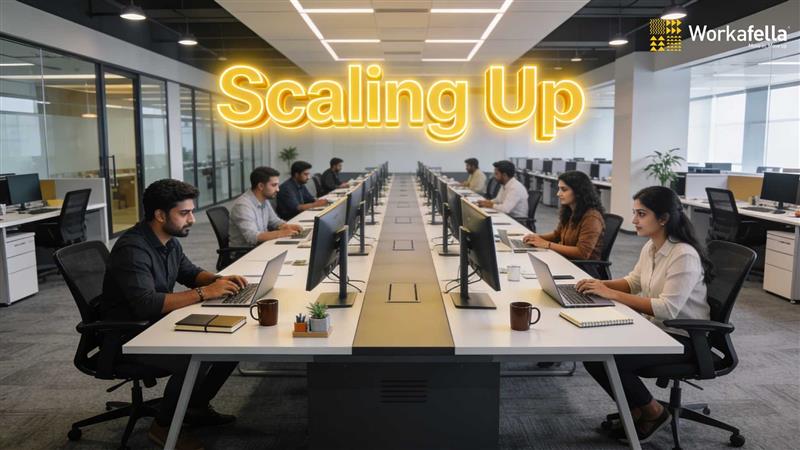
In today’s fast-moving business environment, growth is rarely linear. Teams expand, restructure, and evolve as companies respond to market opportunities and technological advancements. Traditional office setups often struggle to keep pace with these changes, forcing organisations to relocate or commit to long-term leases that no longer align with their needs. This is where a flexible office space becomes a strategic advantage, offering adaptability without compromising on professionalism or productivity. Businesses are increasingly turning toward a premium office space model that combines modern infrastructure with scalability. Instead of investing heavily in fixed real estate, companies can focus on growth while their workspace evolves alongside them. From startups building their first teams to established enterprises expanding into new markets, flexible offices are redefining how modern organisations operate.
The Shift Towards Flexible Work Environments
Over the past decade, the workplace has undergone a significant transformation. The rise of hybrid work models, distributed teams, and project-based collaboration has changed the expectations employees have from their offices. Organisations are no longer searching for static environments; they need spaces that encourage creativity, collaboration, and efficiency. A thoughtfully designed flexible office space allows teams to adjust seating arrangements, meeting areas, and collaborative zones based on their current requirements. Instead of being restricted by rigid layouts, businesses gain the freedom to adapt quickly. This flexibility helps organisations stay agile while maintaining a strong professional identity. At the same time, companies want their workspace to reflect their brand values. Choosing a premium office space ensures that every element from design aesthetics to technology infrastructure aligns with modern business standards.
Why Scalability Matters for Growing Teams
Growth brings opportunities, but it also introduces operational challenges. Hiring new employees, onboarding departments, and managing shifting workflows can be difficult if the office environment cannot keep up. Traditional leases often require businesses to estimate their space requirements years in advance, which can lead to underutilized offices or overcrowded workstations. With a flexible office space, companies can scale gradually. Teams might begin with a small cabin or shared desks and expand into larger private offices as their workforce grows. This adaptability removes the stress of relocation and ensures that employees remain productive during periods of change. A well-designed premium office space also supports team diversity. Some employees thrive in collaborative environments, while others require quiet zones for focused work. Flexible layouts allow businesses to create a balanced workspace that caters to multiple workstyles.
Supporting Collaboration and Innovation
Modern businesses rely heavily on teamwork and innovation. Brainstorming sessions, quick meetings, and spontaneous collaborations are essential for driving progress. Flexible offices are designed to encourage interaction without disrupting productivity. Breakout areas, lounge zones, and well-equipped meeting rooms enable teams to connect easily. A dynamic flexible office space fosters creativity by providing environments where ideas can flow naturally. Whether it’s a small startup brainstorming its next big idea or a corporate team planning a new strategy, collaborative spaces play a vital role in business growth. Choosing a premium office space further enhances this experience by offering thoughtfully curated interiors, advanced technology, and professional support services that simplify everyday operations.
Cost Efficiency Without Compromise
One of the biggest advantages of flexible offices is cost optimisation. Traditional offices require significant upfront investments in infrastructure, maintenance, and long-term commitments. For growing companies, these expenses can become a financial burden. A flexible office space allows organisations to pay only for what they need, reducing unnecessary overheads. As teams expand, businesses can upgrade their workspace without large capital expenditures. This approach provides financial predictability while maintaining access to high-quality facilities. At the same time, a premium office space ensures that cost efficiency does not come at the expense of quality. Modern furnishings, high-speed connectivity, and professional amenities create an environment that supports productivity and enhances employee satisfaction.
Enhancing Employee Experience
Employee expectations have evolved significantly. Today’s professionals seek more than just a desk — they want an inspiring environment that promotes well-being and work-life balance. Natural lighting, comfortable seating, and thoughtfully designed interiors contribute to a positive workplace culture. A well-planned flexible office space offers diverse work zones, allowing employees to choose how and where they work best. Quiet areas for deep focus, collaborative hubs for teamwork, and relaxed lounges for informal conversations help create a balanced and engaging atmosphere. Operating from a premium office space also strengthens employer branding. A professional and visually appealing office environment attracts top talent and reinforces a company’s commitment to excellence.
Adapting to Changing Business Needs
Every business experiences periods of transformation — whether launching a new product, expanding into new markets, or restructuring internal teams. Flexible offices provide the agility needed to navigate these transitions smoothly. Instead of relocating to a larger building or redesigning an entire office, companies can simply adjust their workspace within a flexible office space environment. This adaptability ensures minimal disruption to daily operations and allows leadership teams to focus on strategic goals. A premium office space further supports this adaptability by offering customizable layouts, private cabins, and enterprise solutions tailored to evolving business requirements.
Building a Strong Professional Presence
Location and workspace design play a significant role in shaping how clients perceive a business. Hosting meetings in a modern, well-equipped office enhances credibility and builds trust. Flexible offices provide access to professional reception areas, conference rooms, and premium amenities that create a strong first impression. Operating from a premium office space also allows businesses to maintain a consistent brand image across different locations. Whether meeting investors, welcoming new clients, or collaborating with partners, a professional environment reinforces confidence and reliability. A strategically located flexible office space connects companies to vibrant professional communities, opening doors to networking opportunities and potential collaborations.
Future-Proofing Your Workspace Strategy
As industries continue to evolve, adaptability will remain a key factor in long-term success. Flexible offices represent more than just a trend — they are a sustainable approach to managing workspace needs in a constantly changing world. By investing in a flexible office space, organisations gain the ability to respond quickly to market changes, technological advancements, and workforce expectations. A premium office space complements this flexibility by delivering an elevated workplace experience that supports innovation and growth.
Conclusion
Scaling a business requires more than strategic planning; it demands an environment that evolves alongside your team. Flexible offices provide the agility, efficiency, and professional atmosphere needed to support modern workstyles. From startups expanding rapidly to established companies seeking adaptable solutions, the benefits of a flexible office space are clear. At the same time, choosing a premium office space ensures that businesses maintain a strong professional presence while enjoying the freedom to grow. By embracing flexible workspace solutions, organisations can focus on what truly matters building teams, driving innovation, and achieving long-term success.